About this course
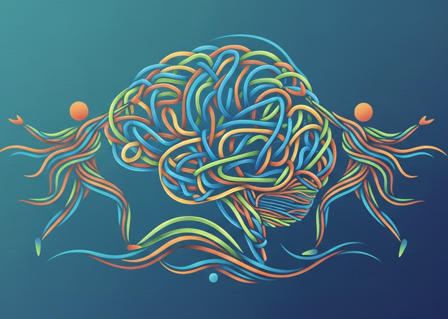
This 2.5-hour interactive online training explores ADHD through a neurodiversity-affirming and embodied lens, with a dual focus on clients and therapists. Drawing on Dance Movement Psychotherapy, clinical evidence, and reflective practice, the session supports clinicians and trainees to deepen their understanding of ADHD as a lifelong neurodevelopmental difference and to consider how attention, regulation, executive functioning, and rhythm show up within therapy processes. The training integrates psychoeducation, case material, and experiential elements.
Open to all clinicians interested in working from an embodied perspective.
Attendance certificates can be issued on request.
Skills You will Learn
By the end of the session, participants will be able to:
-
Understand ADHD within the neurodiversity paradigm, including strengths, challenges, and limitations of diagnostic models
-
Recognise how ADHD and executive functioning differences impact engagement, pacing, formulation, and outcomes in therapy
-
Reflect on neurodiversity in therapists, including countertransference, parallel process, and supervision considerations
-
Explore embodied and relational regulation strategies that can complement therapies
-
Consider inclusive, formulation-led ways of working with or without a formal diagnosis, particularly within NHS contexts
Intended Audience
-
Creative Arts Therapists and trainees
-
Practitioners and therapists with interest in understanding and working with ADHD from an embodied perspective
-
Supervisors and trainees interested in neurodiversity-affirming practice
Session summary
Part 1 – Foundations & Clinical Context
Part 2 – Experiential Block: Attention & Regulation Break
Part 3 – Case Material, Trauma & Therapist Neurodiversity
Part 4 – Integration for Practice
Part 5 – Q&A
Dates
18 February 2026Time
10:00 am - 12:30 pmDuration
Setting
The trainer
Alexandra Zibisow
Alexandra Zibisow (she/her) is a UK-registered Dance Movement Psychotherapist and Supervisor working within Central and North West London NHS Foundation Trust. She has experience across adult forensic and crisis services, schools, and community Child and Adolescent Mental Health Services (CAMHS). Alongside her NHS role, she also works in private practice and is involved in community projects in collaboration with dance companies.
Alexandra delivers teaching and training on neurodiversity, embodied regulation, and creative approaches to therapy and supervision, and has presented nationally for ADMP UK. Her work is shaped by her background in dance and her lived experience of neurodiversity, alongside clinical theory and relational practice. She works from a neurodiversity-affirming perspective and is particularly interested in accessibility, attunement, and reflective practice across different settings.